Planning
A technical site visit before renovation: preparing the property and your questions
Prepare a technical site visit before renovating: gather documents, organize access, and clarify the questions and deliverables covered by the appointment.
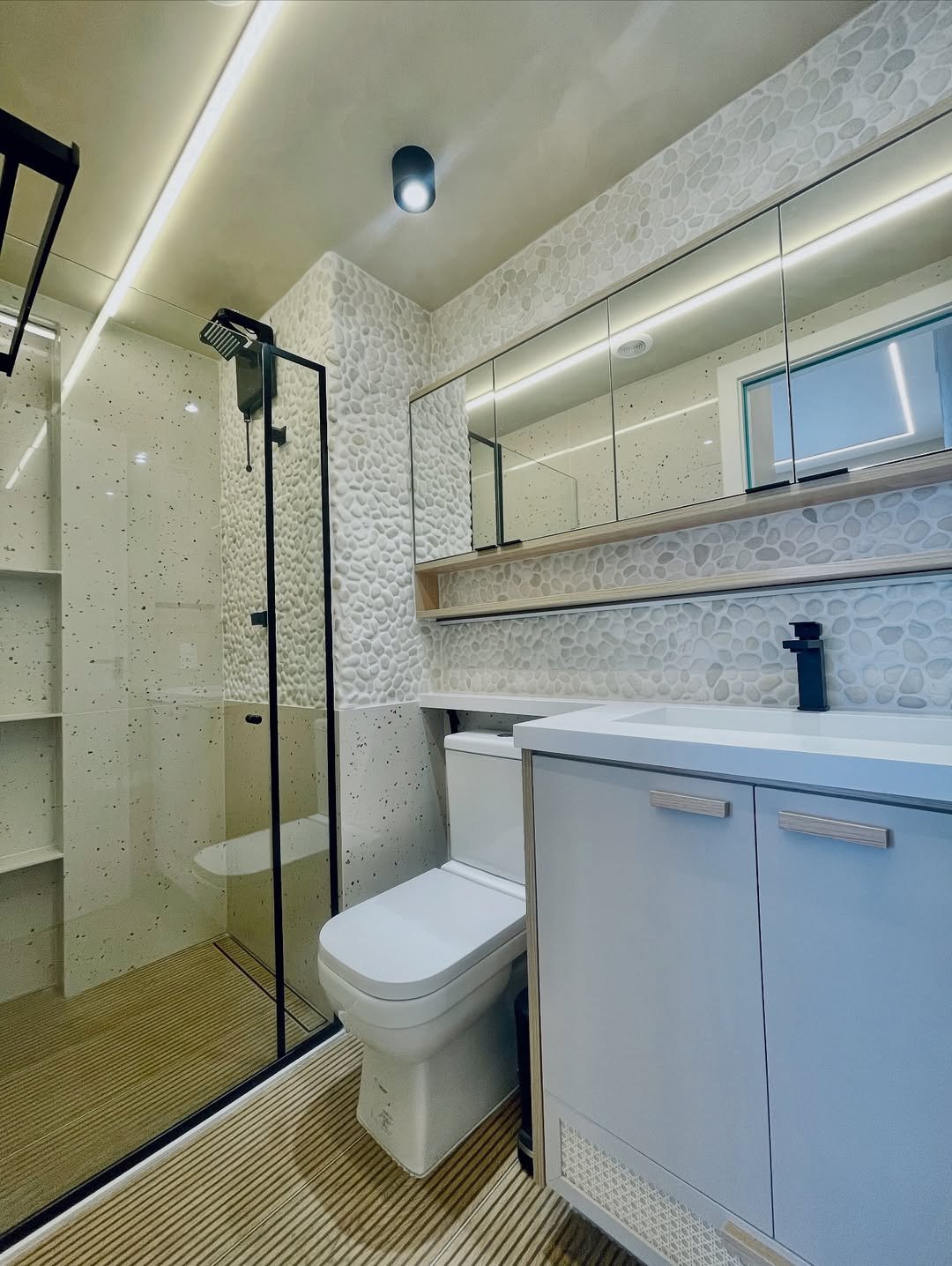
To prepare a technical site visit before renovation, explain the assessment's purpose, gather available documents and records, and organize access to rooms. Agree on activities and deliverables beforehand: an initial visit does not automatically constitute an inspection, technical report, or investigation of every building system.
Seeing the property helps develop a renovation conversation, but technical site visit can mean different things to different people. One person expects design measurements; another expects every cause of a problem to be identified. First define which question the visit should help answer.
For homes and apartments in Campinas and the surrounding area, organized preparation helps make the meeting more useful. It brings together what you know about the property and makes outstanding checks explicit. Expected results should match the appointment's activities and limits.
Explain the purpose and confirm the appointment
Say whether you are considering a renovation, gathering design information, or seeking guidance about an observed condition. Describe the outcome needed: understanding alternatives, organizing information, or commissioning a specific assessment. This helps the professional explain whether the proposed service addresses your needs.
Before the meeting, ask which activities are planned and what will be delivered afterward. Clarify whether records, measurements, written guidance, or other documents are included. Do not assume every visit includes specialist inspections, tests, a full survey, or a technical report; each requires an appropriate scope.
Collect documents and identify each information source
Gather available plans, manuals, previous renovation records, and information from the condominium or former owner. Identify originals, copies, and verbal accounts. If an alteration date is unknown, record that uncertainty instead of presenting an estimate as confirmed information.
For Campinas properties, relevant documents and procedures should be assessed according to the intervention. City Hall provides guidance on minor renovations without additional floor area; it can inform the discussion with the responsible professional. The visit alone does not replace document checks required for the case.
Describe observations without anticipating a diagnosis
For a concerning condition, record its location, frequency, and observed circumstances. Photographs from different times can help explain your account. Distinguishing observation from interpretation supports useful questions and identifies what still requires professional investigation.
Instead of asserting the cause of a stain, for example, explain when you noticed it, whether it changed, and known work in that area. The assessment should identify whether available information is sufficient or another service, access arrangement, or professional is needed.
Organize access and involve someone familiar with the routine
Confirm entry arrangements and access requirements. Report unavailable areas and relevant restrictions in advance. Do not dismantle elements or improvise access to difficult locations; agree with the professional on what is necessary and possible within the service.
Choose participants familiar with the residents' needs. A question list helps maintain focus when expectations differ. If a decision depends on someone absent, record this so a provisional preference is not treated as approval.
- Confirm the visit's purpose and expected deliverable.
- Gather documents and identify uncertain information.
- Collect photographs and accounts of observed conditions.
- Report restrictions and agree on access to rooms.
- Organize questions and identify decision-makers.
Turn the meeting into clear next steps
At the end, revisit the initial questions and confirm what was clarified, what remains open, and what information must be supplemented. Distinguish preliminary design ideas from developed decisions. The conversation should indicate how work can progress within the agreed scope.
Keep received records with the renovation documents and check each deliverable's purpose before sending it to suppliers. If another survey or assessment is needed, clarify who can provide it. Preparation helps recognize limits and define the next appointment more precisely.
Frequently asked questions
Does a technical site visit automatically include a technical report?
Do not assume it does. Ask which activities, records, and documents are included. If you need a technical report or specific assessment, explain this before defining the appointment.
What if I do not have the property's plan?
Explain its absence and send other available documents and records. The professional should clarify which information and surveys the work requires; do not replace a missing plan with a drawing presented as a confirmed survey.
Can I send ideas discussed during the visit directly for construction?
Confirm the purpose of the material received and which decisions still need development. An initial conversation or guidance should not automatically be interpreted as sufficient documentation for any intervention.
From reading to deciding
Your next step
Before scheduling, describe the property, what you want to change, and the question you need answered. Send this through Dedicati's initial analysis to discuss the assessment and scope appropriate to your needs.
Explore the Architectural Consulting service or share your project in the initial analysis.


