Planning
Architectural design stages: from initial ideas to detailed documents
Understand how needs, design studies, decisions, and detailed documentation connect, and what to clarify about the scope before hiring an architect.

Architectural design usually involves understanding needs, studying solutions, and developing the documents included in the scope. Stage names and deliverables vary, so the proposal should explain your role in each decision and what you will receive.
An architectural design develops through interconnected decisions. The position of a room influences circulation; the arrangement of activities informs openings, furniture, and other choices. Moving from initial ideas to detailed documents therefore requires a sequence that clients can understand.
Stage names and deliverables may vary with the property type and scope. What matters most is understanding the purpose of each stage, what will be presented, and which decisions the client must make before the work moves forward.
Understanding the brief: turning needs into a clear scope
The initial conversation brings together the property's characteristics, users' routines, and priorities. It is also the time to discuss which services address the need: focused advice, a design for new construction, or changes to existing spaces may call for different approaches.
Before hiring the team, clarify which rooms are included, which materials will be delivered, and how presentations and revisions will work. The scope organizes these expectations and helps identify additional activities that may require separate assessment or appointments.
Surveys and information: establishing the basis for design studies
Design development depends on suitable information about the property and its condition. The team defines the surveys, documents, and assessments needed for the particular project. Existing plans, site records, and client information are considered with their limitations clearly identified.
A question about the property should not disappear simply because a drawing looks complete. When something needs confirmation, record the outstanding issue and understand how it affects subsequent decisions. This distinguishes what has been verified from what still needs investigation.
Initial studies: assessing how spaces are organized
During design studies, the conversation takes shape. Room layouts, circulation, relationships between activities, and design intentions are presented for discussion. The representations used depend on the scope and help make the alternatives understandable.
When reviewing a proposal, relate it to your routine. Imagine routes through the space, simultaneous activities, and storage needs. Specific questions are more useful than approval based solely on appearance. If a solution does not address a priority, explain the situation you want to resolve.
Design development: consolidating approved choices
Once a direction has been agreed on, the work develops the decisions included in that appointment. Proportions, materials, and relationships between elements become more clearly defined. Information from other professionals and suppliers may need to be coordinated, depending on the project.
Keep a record of choices and outstanding issues at this stage. Changing an earlier decision may require revisions elsewhere. Before requesting a change, discuss its effects on the scope, deliverables, and schedule.
Detailed documentation: understanding the purpose of each deliverable
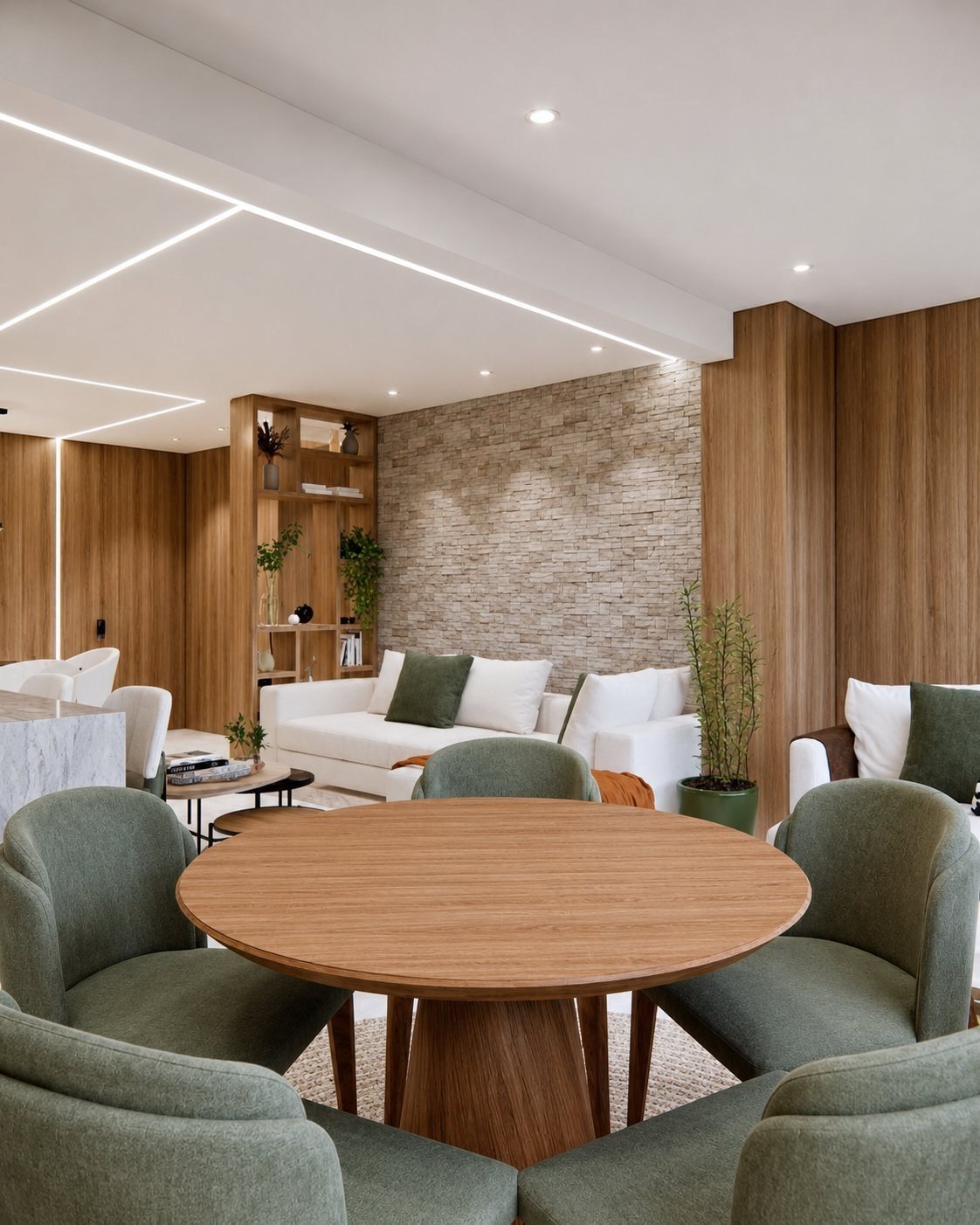
Detailed documentation organizes the information agreed on to guide implementation. Drawings, specifications, and other documents should be understood within the contracted scope. A presentation image, for example, communicates the design intention but does not by itself replace the documents needed for construction.
When receiving the materials, confirm how to identify the current version and who should answer questions. Ask which decisions still depend on site checks or information from the suppliers involved.
- Which documents are included, and what is each one for?
- How will revisions be identified and communicated?
- What is the procedure for resolving questions during implementation?
Implementation: agreeing on what happens after design
Design, hiring suppliers, and construction oversight are related activities with responsibilities that must be clear. Delivery of the design does not automatically include construction management or ongoing site visits.
Discuss the support needed for the next phase and check what the proposal includes. This helps organize the transition from design decisions to construction without relying on unstated expectations.
Frequently asked questions
Does every architectural project follow the same stages?
Names, sequence, and level of detail may vary with the property, proposed work, and appointment. Check the proposal for each stage's purpose, deliverables, and decisions that require client input.
Can a presentation image replace construction documents?
An image helps explain the intended space but does not contain all the information needed to build it. The documents and checks required for implementation must be defined in the scope.
Is construction management included in architectural design?
Hiring an architect to produce a design does not automatically include managing construction. Check which oversight activities, visits, and coordination tasks are listed in the proposal and which require a separate appointment.
From reading to deciding
Your next step
Before hiring an architect, ask for an explanation of the stages relevant to your project and how you will participate. A clear process helps you compare proposals, prepare decisions, and understand the role of each deliverable through to implementation.
Explore the Architectural Design service or share your project in the initial analysis.