Renovations and construction
Renovating an occupied apartment: discussing everyday logistics
Prepare to discuss an occupied apartment renovation by organizing access, belongings, schedules, service interruptions, and alternatives to staying during the work.
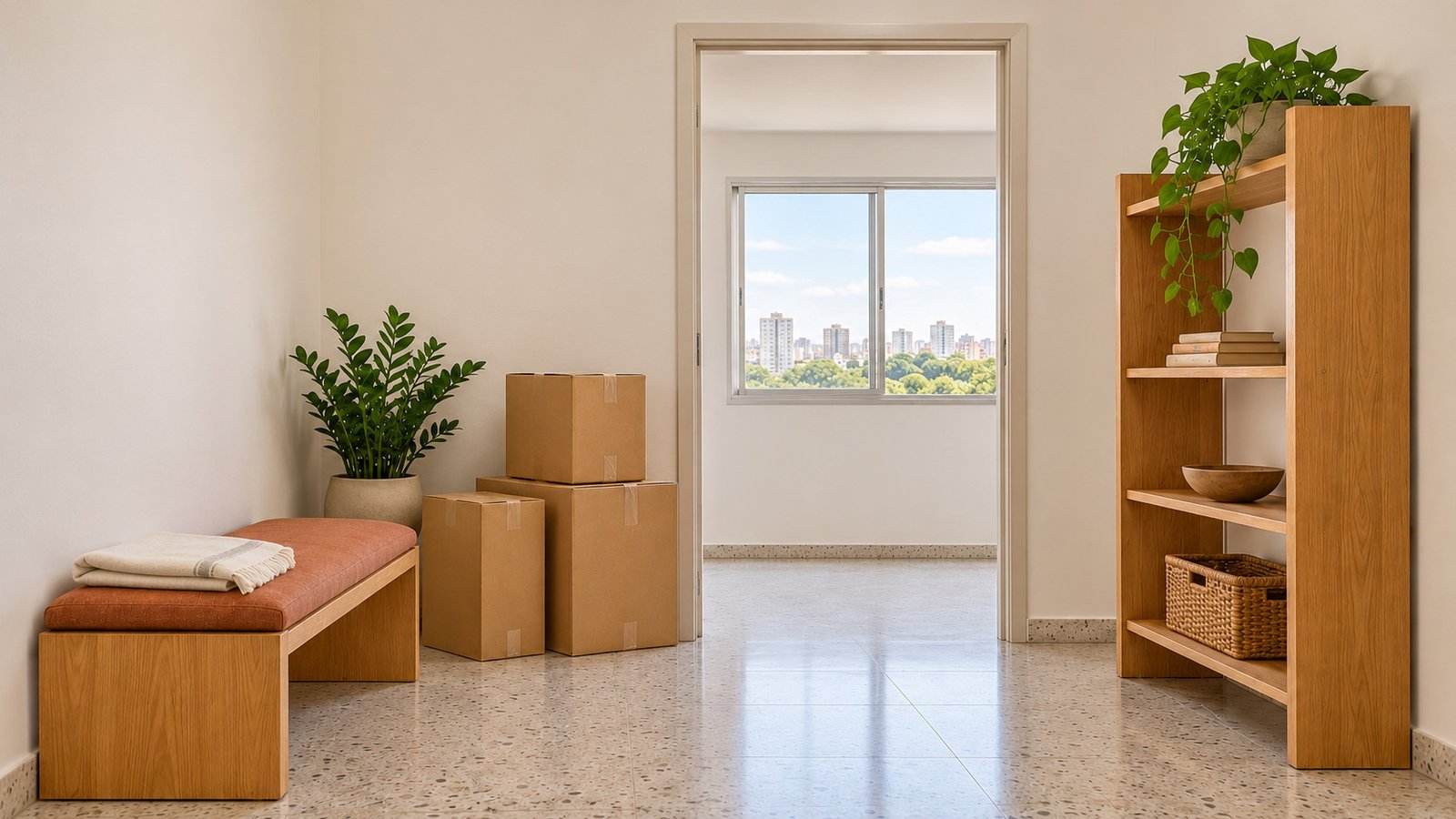
Before renovating an occupied apartment, describe the residents’ activities, essential rooms, contractor access, and belongings that need to be removed. The people responsible for the work must assess whether residents can stay based on the planned activities and conditions; dividing the work by room does not guarantee that continued occupancy is possible.
Renovation planning needs to account for life already taking place in the property. Work meetings, rest periods, pet care, and deliveries may depend on the same routes and spaces the project team uses.
This guide helps residents in Campinas and the surrounding area prepare information for discussions with those responsible. It does not establish safe occupancy conditions, a construction schedule, or permission to stay in the apartment while work is taking place.
Identify what the home needs to support every day
List activities that cannot simply stop during renovation: sleeping, preparing meals, bathing, working, and caring for others. For each one, note the room used and whether an alternative is available outside the property.
Explain scheduling constraints and residents’ specific needs without sharing unnecessary personal information. The aim is to understand conditions the plan must consider, not to assume the work can accommodate every one of them.
Discuss occupancy before dividing the schedule
Ask those responsible to explain which activities may prevent a room from being used or affect other rooms. Shared services, access routes, and interruptions to building systems need to be considered together. Do not assume that a room without furniture will automatically be suitable for residents.
Record an accommodation or off-site alternative for periods when one is needed. Confirm how the decision will be communicated and who can authorize a return. The assessment must reflect the actual scope, including any changes to the work.
Connect belongings, storage, and access routes
Make an inventory of items to remove, items that can be stored elsewhere, and items that need advice before being moved. Decide who packs, transports, receives, and stores each group. Photographs and box labels help locate what is needed without opening everything.
Consult building management and contractors about access, receiving deliveries, and use of common areas. Record the building’s current guidance. Do not assume a corridor or common area can serve as storage, or schedule deliveries without confirming receiving arrangements.
Use a checklist to turn questions into decisions
Complete the checklist with those responsible before booking work and deliveries. It is an organizational template, not a construction sequence. When a condition is unresolved, record the outstanding question and the person who will clarify it.
| Topic | Information to confirm |
|---|---|
| Rooms in use | Which activities must continue and where they can take place. |
| Access | How residents, the team, and deliveries will be coordinated. |
| Interruptions | What will be unavailable and how people will be notified. |
| Changes | Who assesses the effects and approves the revised plan. |
Agree on how the plan will be reviewed
Choose a channel for notices and a record for decisions. A delivery or scope change may affect access, storage, and daily routines; everyone involved needs the same updated information. Distinguish a proposed change from one that has been approved.
Confirm in the contract who coordinates contractors, who monitors the work, and which activities are included. Hiring a design service does not automatically include construction management or execution. Clarifying this helps prevent logistics from being left without an owner.
From reading to deciding
Your next step
Before setting dates, organize essential routines, items to remove, and questions about staying in the apartment. Present this information through Initial Analysis to discuss the support your renovation needs.
Explore the Residential Renovations service or share your project in the initial analysis.